
How Seawalls Protect You From Hurricanes and Flooding
|
Due to climate change, many parts of the world are experiencing rising sea levels, heavier rainfall, and more frequent flooding.
However, coastal areas are more at risk of flooding. In fact, floods and hurricanes are major global challenges, affecting around 5,000 people each year due to rising waters and powerful storms.
This is the reason why investing in seawalls becomes essential. These are strong barriers built along coastlines that protect by absorbing and bouncing back the powerful energy from storm surges and large waves. They not only hold back water but also help keep the land intact, preventing property from washing away.
In this blog, we will go over the benefits of seawalls in-depth, how they protect from floods and hurricanes, and discuss a real-life example.
How Seawalls Work to Protect You From Hurricanes and Flooding?
There is a common discussion on platforms like Reddit where many people ask,
“Would Seawalls save us from Stormy Waves?”
And a majority of people answered “no.”
But it’s a myth. To understand why, read below:
1. Blocking and Deflecting Wave Energy
When a hurricane or strong storm hits the coast, it creates a large and powerful waves that carry the extreme force. These waves can easily
- wash away beaches
- damage buildings, and
- flood inland areas
At times, the seawalls act like a shield that stands between these waves and your property. They block the waves from crashing directly onto the shore.
But seawalls do more than just block. Their surfaces are designed to reflect the wave’s energy back to the ocean. It works like a mirror that bounces back the sunlight.
This reflection reduces the strength of the waves that actually reach the land behind the seawall and helps to keep the shoreline safe from being worn down or flooded.
2. Absorbing Wave Impact
Seawalls are made from strong, durable materials such as reinforced concrete, steel, or large, tightly packed rocks. These materials act like a cushion by absorbing some of the wave’s energy.
By soaking up part of the waves’ power, seawalls lower the impact of waves on the shore. This means less damage to the soil, beaches, and nearby buildings during storms.
3. Preventing Coastal Erosion
One of the biggest problems caused by strong waves and floods is coastal erosion, as the sand, soil, and rocks get washed away easily. This causes
- beaches to disappear and
- reduces the area of land available around homes and businesses
Seawalls are shoreline protection structures because they stop waves from directly hitting the coast and washing away the natural soil. By this, they keep the shape and size of the coastline intact. Also, it protects the habitats for plants and animals.
4. Serving as a Flood Barrier
During hurricanes, storm surges can raise the sea level drastically.
Seawalls act as elevated barriers that physically block these surging waters from flooding inland areas. By standing tall and firm, seawalls keep floodwaters at bay.
As a result, they reduce the risk of property damage and help the communities to stay safe.
5. Managing Water Pressure with Drainage Systems
When seawalls hold back water, some of that water gets trapped behind the wall. This creates a pressure known as hydrostatic pressure. If this pressure builds up too much, it can cause cracks or even collapse the parts of the seawall.
So, to avoid this, seawalls include clever design features like weep holes. These are small drainage openings that allow the trapped water to slowly and safely escape.
This prevents too much pressure from building behind the wall, which makes them strong and stable even during the long storms.
6. Curved and Stepped Designs for Energy Dissipation
Instead of being just flat and vertical, many seawalls feature curved or stepped shapes. These shapes work better at breaking up the energy of waves.
When a wave hits a curved or stepped seawall, the energy is spread out and slowed down as the water flows up and over the steps or curves.
This way, waves lose their force gradually instead of striking the shore with full power, reducing damage to both the wall and the area behind it.
This design also helps stop erosion around the base of the wall, which is a common weak spot for flat walls.
7. Integration with Other Flood Mitigation Systems
Seawalls rarely work alone. They are often part of bigger flood mitigation systems that might include levees, floodgates, dunes, and wetlands. These combined defenses work together to protect coastal areas from flooding and erosion in multiple ways.
By fitting seawalls into a larger protective plan, communities increase their resilience to storms and rising seas.
Advantages of a Seawall: Why Are They Important?
- By preventing flood damage, seawalls help maintain the value of properties near the shore.
- They reduce the need for frequent and costly beach repair and maintenance projects.
- Seawalls help keep emergency and evacuation routes open during floods.
- By blocking saltwater flooding, seawalls protect fresh water supplies and farmland.
- They provide valuable spots for scientists to monitor how coastlines are changing.
Real-Life Example: The Galveston Seawall, Texas, USA
The Galveston Seawall in Texas is a great example of how seawalls protect cities. Built after the deadly 1900 hurricane, it stretches over ten miles. It blocks and reflects strong waves and storm surges, keeping Galveston safer from flooding and damage during hurricanes. The seawall’s biggest test came during the hurricane on August 16, 1915, which caused fewer deaths and damage.
Conclusion
By absorbing, reflecting, and dissipating wave energy, seawalls protect shorelines from erosion and floodwaters from advancing inland. The advantages of a sea wall extend beyond physical protection; they protect property values, preserve ecosystems, and enhance community safety. Real-world examples like the Galveston Seawall have proved their effectiveness.
For those living near the coast considering seawall construction, Marine Construction Inc. is the go-to choice. Our team of dedicated and experienced professionals takes pride in delivering high-quality services to North Palm Beach and the surrounding areas.
FAQs:
Q1. What is the purpose of a seawall?
The purpose of a seawall is to protect coastal areas by blocking waves and preventing flooding. It also helps stop erosion to keep the shoreline and nearby land safe.
Q2. What damage do hurricanes cause?
Hurricanes can destroy buildings and power lines. They wash away roads and homes and disrupt daily life for many people.
Q3. What is the best type of seawall?
Concrete, steel, and Vinyl/Composite are considered some of the best types of seawalls.
Q4. How long do vinyl seawalls last?
A vinyl seawall is best known for resistance to rot, rust, and saltwater corrosion, and can last for 50 to 60 years.
Q5. How do you maintain a seawall?
To maintain a seawall, go for
- Regular inspection
- Check for cracks and corrosion
- And go for vegetation control systems.
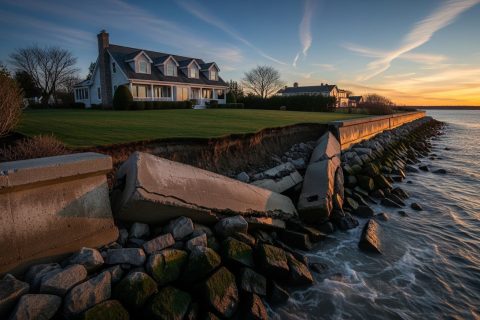
What You’ll Learn in This Blog
How to spot early warning signs that a seawall is shifting before erosion and structural damage escalate
…
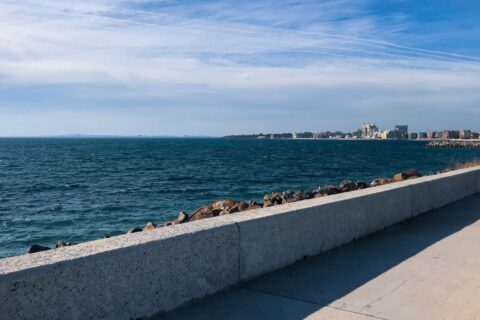
Waterfront properties are beautiful and desirable places to live. Whether it’s a home by the ocean, a lake, or a river, the view and peaceful…